Pest control technicians in Byford, WA
Byford is the main growth centre of the Shire of Serpentine-Jarrahdale, on the South Western Highway about 35 km south-east of Perth. A small town a generation ago, it is now ringed by new estates while keeping its semi-rural blocks and horse properties toward the scarp.
What usually turns up in Byford
- Termites moving from cleared bush and remnant trees into moist clay under new garden beds and fences
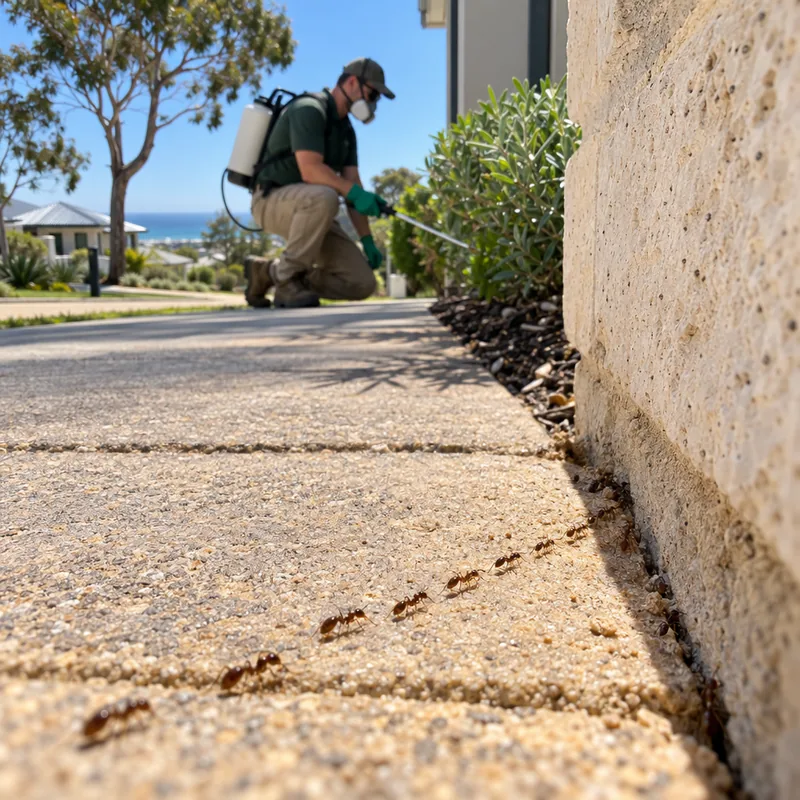
- Ants and Portuguese millipedes invading new estate homes from freshly cleared land
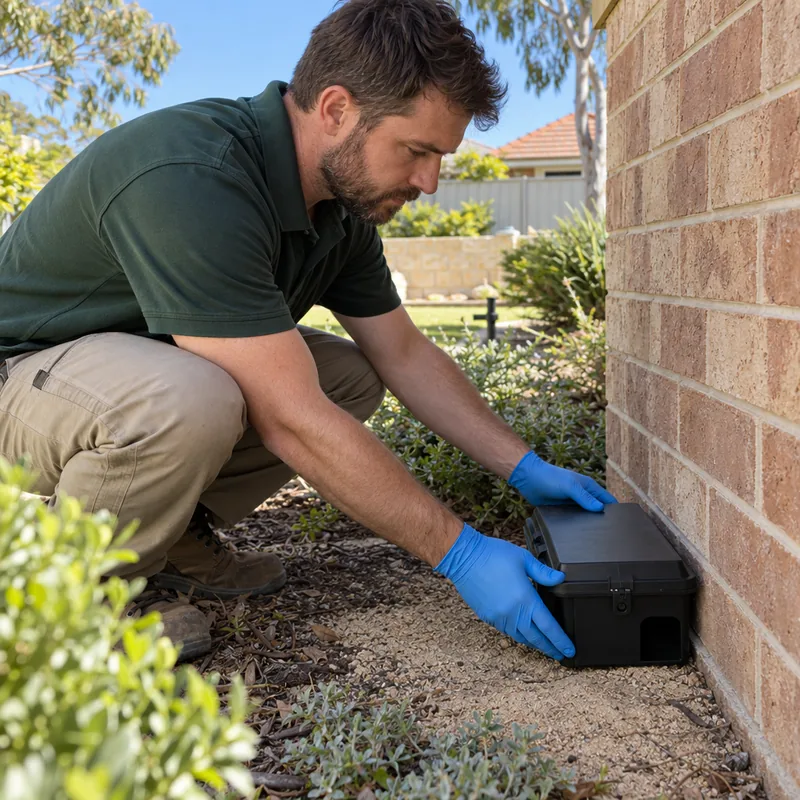
- Rodents around feed sheds, stables and chook pens on the acreage blocks
- Stable flies and nuisance flies around horse properties in warm weather
- Redbacks and black house spiders in new sheds, fences and outdoor furniture
Notes from the technicians
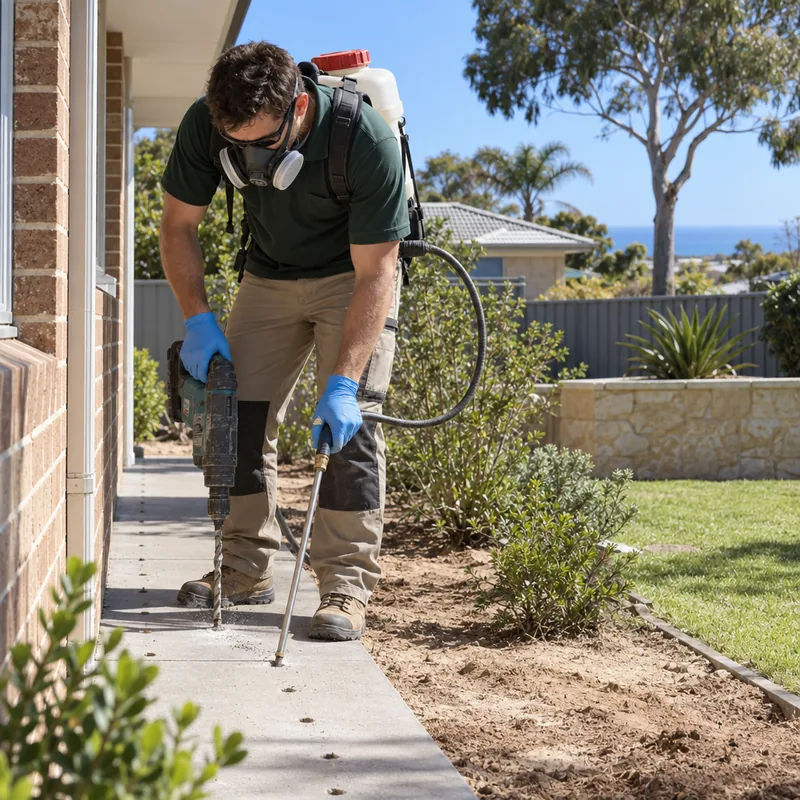
Byford has changed faster than anywhere else we work. The old town along the South Western Highway still has its weatherboard and brick homes on big blocks, but around it the estates have spread across former paddocks and bush, and the two kinds of housing need different things. In the new estates the first years bring ants and millipedes from the cleared land, spiders in the fresh fences and sheds, and a slow build of termite pressure as reticulation and garden beds wet the clay under the slab edge. We recommend a termite inspection early because the colonies from the bush are still in the remnant trees. On the acreage blocks toward the scarp the work is rodents around feed sheds, stables and chook pens, which need lockable stations placed away from dogs and horses, and termites in the timber yards, sheds and fences. Stable flies around horse properties are a regulated nuisance managed under DPIRD rules, and we advise on manure and feed handling as much as treatment. The rentals near Byford Secondary College bring end-of-lease work. Armadale is to the north and Mundijong is to the south.
Housing in Byford
A fast-growing town of 2000s to 2020s double brick estates on small blocks, alongside older weatherboard and brick homes on large lots and semi-rural acreage on the eastern side toward the scarp.