Pest control technicians in Kelmscott, WA
Kelmscott sits between Armadale and Gosnells where the Canning River comes out of the Darling Scarp, about 25 km south-east of Perth. It is a leafy, older suburb with big blocks on the flat and bush blocks climbing the hill toward Roleystone and Araluen.
What usually turns up in Kelmscott
- Termites in old jarrah floors, sleepers and fences kept moist by foothill clay and the river
- Brushtail and ringtail possums in roof voids near the river and the forest edge
- Roof rats using fruit trees, vines and sheds to reach roof voids in winter
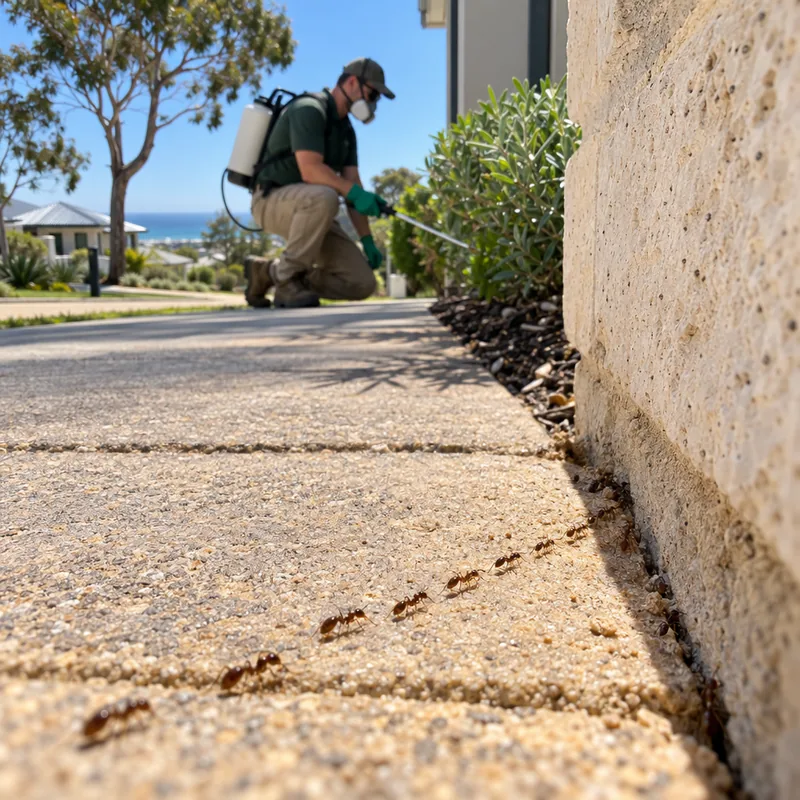
- Bull ants and black house ants on the bush blocks along the scarp
- Redbacks, black house spiders and wolf spiders in sheds, woodpiles and outdoor furniture
Notes from the technicians
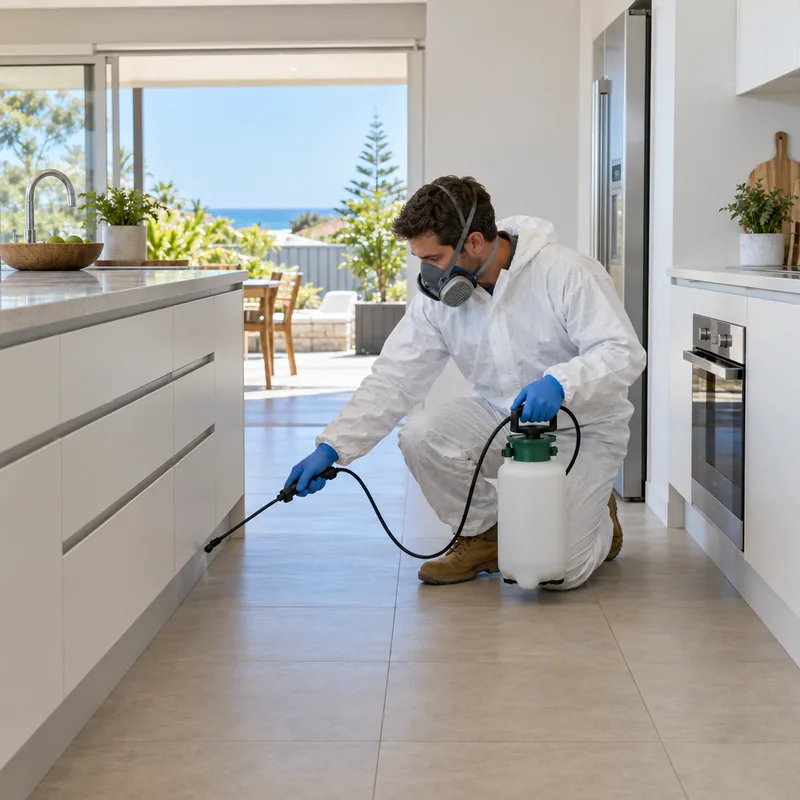
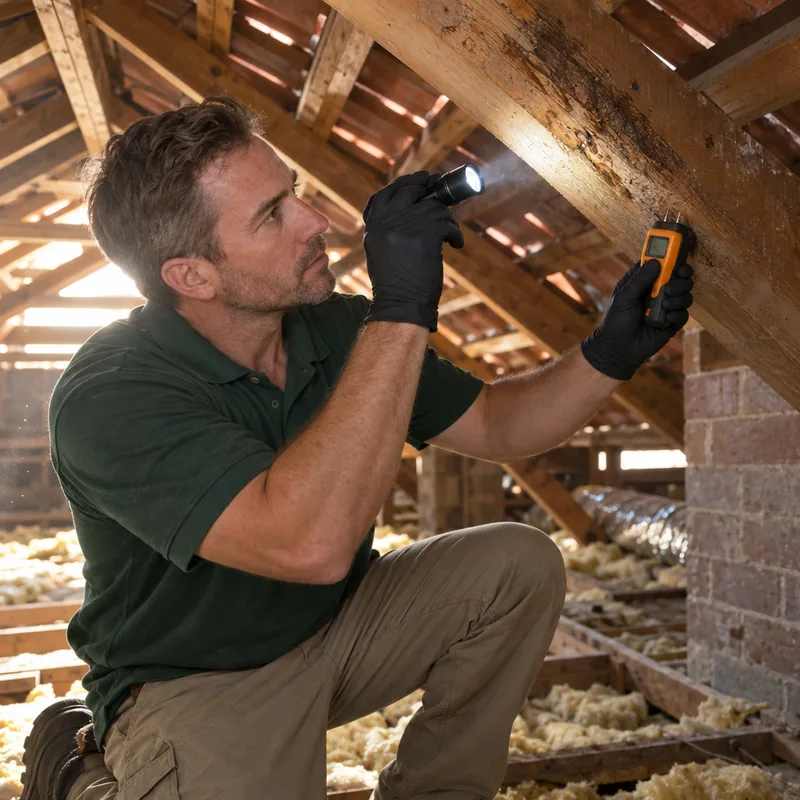
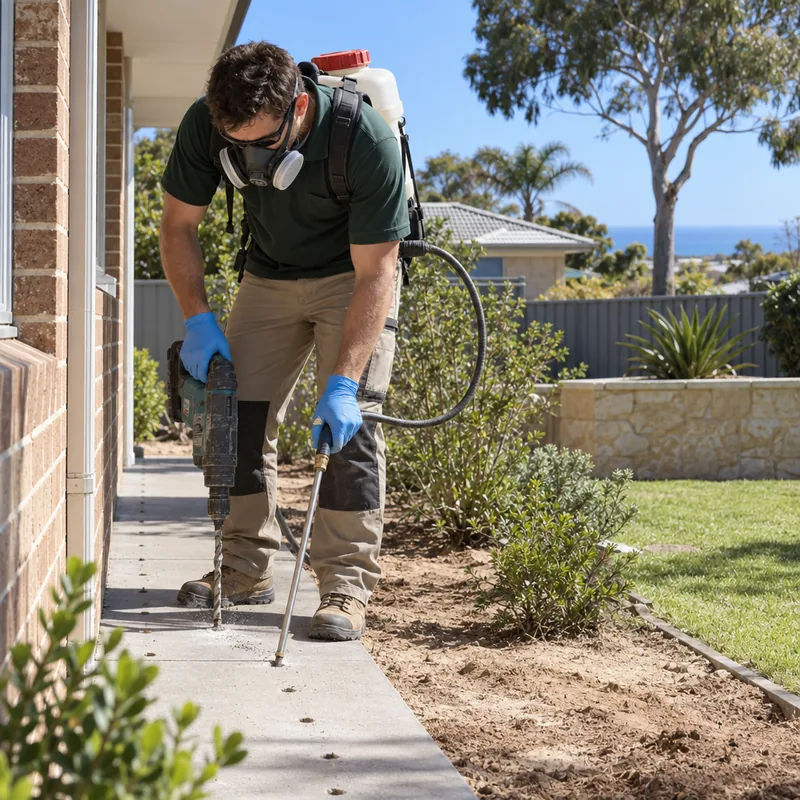
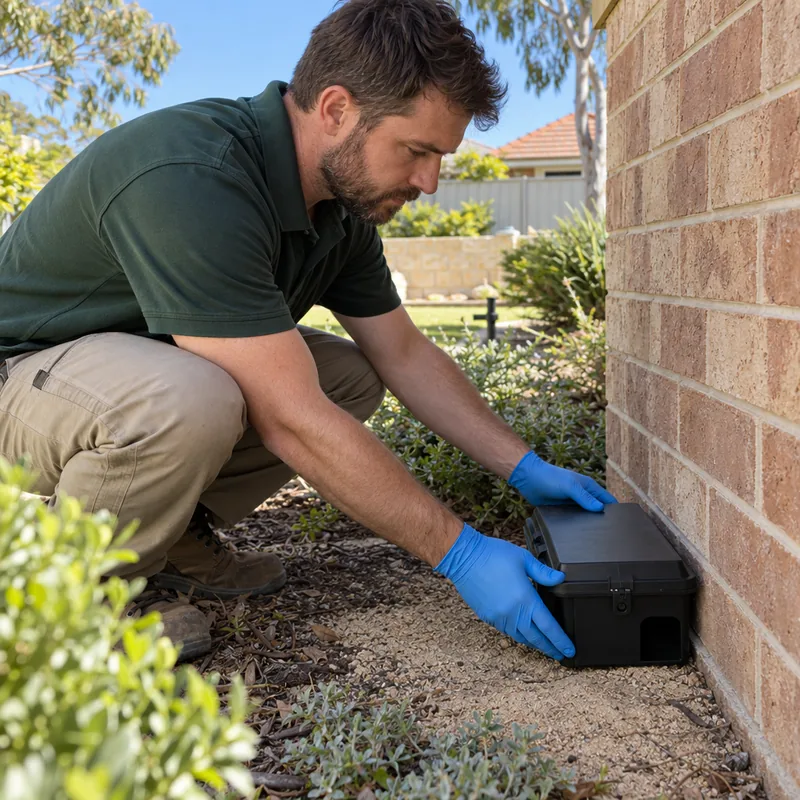
Kelmscott has the biggest blocks and the oldest trees of any suburb we service. Along the Canning River and up the hill toward Roleystone and Araluen Botanic Park the homes are 1960s to 80s brick and weatherboard on quarter-acre lots, with jarrah and marri trees, timber sheds, woodpiles and decades-old retaining walls. The foothill clay stays damp through winter and well into spring, so termites are the main reason we are here. We find them in fence posts, in sleepers, in the base of sheds and in the subfloor of homes with timber floors, and the treatment on these blocks is often a mix of a soil barrier around the house and bait stations out along the boundary. Possums are the other regular call; both brushtail and ringtail live in the trees and get into roof voids, and as protected fauna they are trapped, released on the property and locked out by sealing the roof. Rodents follow the fruit trees and vines in winter, and bull ants and redbacks come with any bush block. Armadale is next door to the south and Gosnells is to the north.
Housing in Kelmscott
1960s to 80s brick and weatherboard homes on quarter-acre and larger blocks along the Canning River and up the scarp, with mature trees, timber sheds and some 1990s and 2000s subdivisions on the flat.