Pest control technicians in Spearwood, WA
Spearwood is one of the older suburbs in the City of Cockburn, running along Rockingham Road on the limestone ridge between Hamilton Hill and Coogee. It grew with the post-war market gardens and the Portuguese, Italian and Croatian families who worked them, and much of that character remains.
What usually turns up in Spearwood
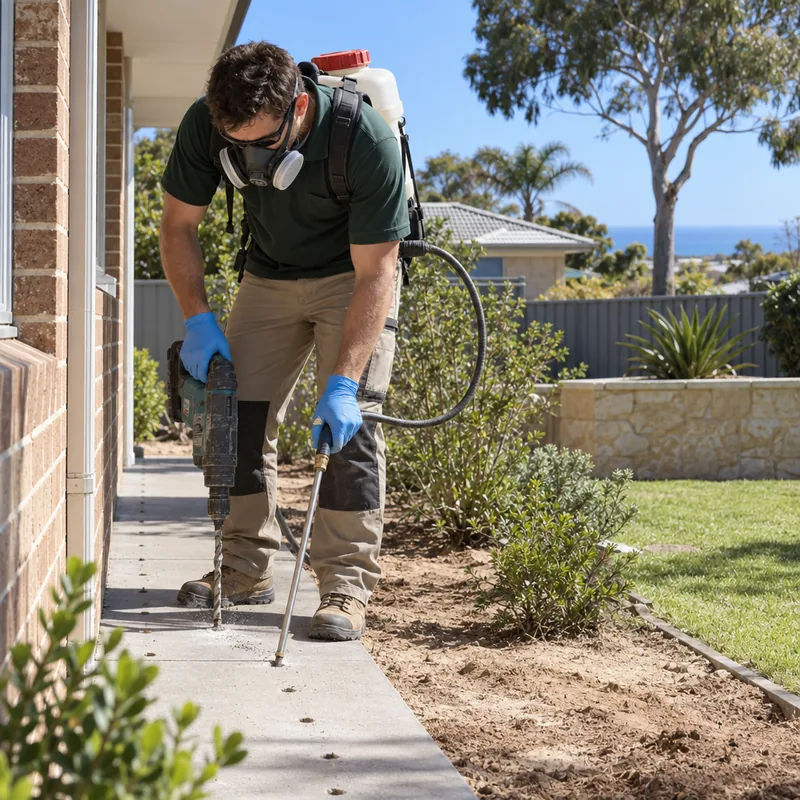
- Termites in old timber floors, subfloors, sheds and the stumps of former market garden fruit trees
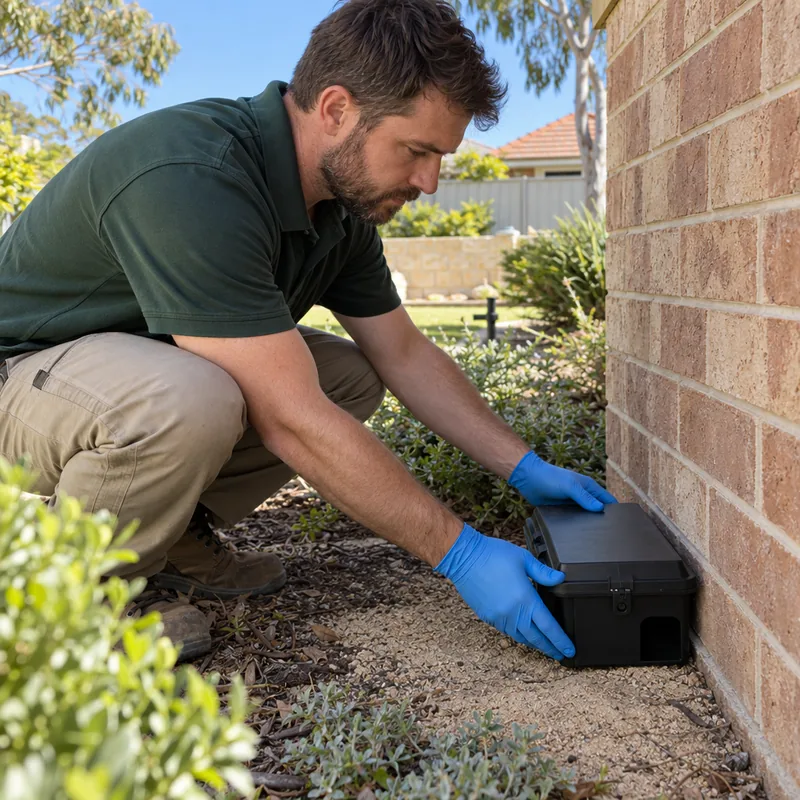
- Roof rats climbing grapevines, fig trees and olive trees into the roof voids of older homes
- Australian and American cockroaches coming from drains, compost and sheds into kitchens in warm weather
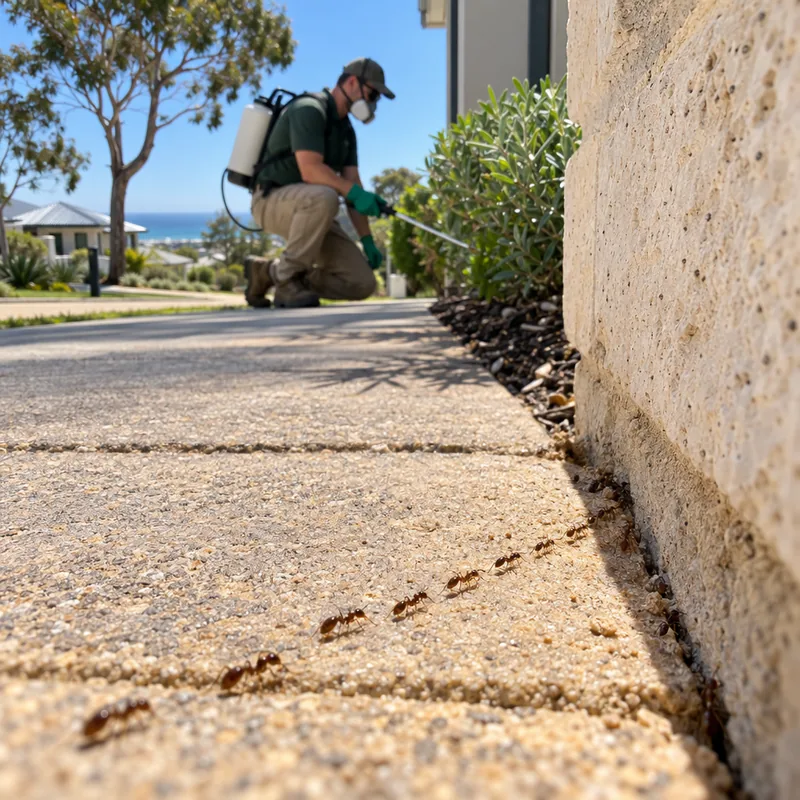
- Coastal brown ants nesting in limestone rubble and paving and invading kitchens in summer
- European honey bee swarms and established hives in wall cavities and old sheds in spring
Notes from the technicians
Spearwood is old ground for us. The houses along Rockingham Road and the streets behind Phoenix Shopping Centre were built from the 1950s to the 70s by market gardening families, and many still have the grapevines, fig and olive trees, vegetable beds and timber sheds that came with that life. Roof rats use the vines and fruit trees to reach the roof voids and the sheds give them somewhere to nest, so rodent work here is year-round rather than just winter. Termites are the bigger concern; a lot of these homes have timber floors over a subfloor, old jarrah stumps and sheds built straight onto the limestone soil, and a termite inspection often starts in the subfloor and the shed before the house. The large cockroaches breed in the old drains and compost heaps and come inside in warm weather, and bee swarms settle in wall cavities and disused sheds every spring. Newer units on subdivided blocks have simpler ant and spider needs. Spearwood Village and Manning Park mark the Hamilton Hill end, and Coogee and the coast lie downhill to the west.
Housing in Spearwood
1950s to 70s brick, fibro and weatherboard homes on large blocks along the limestone ridge, many with old fruit trees, vegetable gardens and timber sheds, plus 2000s infill and units on subdivided lots.