Moving out of a rental in WA comes with a checklist: clean the oven, steam the carpets, return the keys and, if a pet lived there, arrange a flea treatment and hand the receipt to the property manager. That last step is the one that causes the most confusion. This guide explains what the lease usually says, where the law sits, who is responsible for what, how the treatment works and how to time it so the bond comes back without a second visit.
What the lease usually says
Most WA residential tenancy agreements that allow a pet include a clause requiring the tenant to have the premises treated for fleas when they vacate, often alongside professional carpet cleaning. Some leases say “fumigated”, which is an old word for the same thing. Some name the treatment as internal only, some say internal and external, and some require a receipt from a licensed pest controller.
Read your own lease before you book. The wording tells you what the property manager will check for, and a treatment that does not match the clause can be asked for again. If the lease has no pet clause and no pet lived there, an end-of-lease flea treatment is usually not required, though a general clean-out treatment is sometimes requested where cockroaches or ants were a problem during the tenancy.
The law in general terms
Residential tenancies in WA are governed by the Residential Tenancies Act 1987 (WA). In broad terms, the landlord is responsible for providing the premises in a reasonable state of cleanliness and repair at the start of the tenancy, which includes pest problems that were already there. The tenant is responsible for keeping the premises reasonably clean and for damage or infestations caused by their own conduct, which is where a pet’s fleas sit.
The Act has been amended in recent years, including the rules around keeping pets, so an older summary from a friend or a forum may be out of date. This page is not legal advice. For your own situation, check your lease and the current tenancy guidance from Consumer Protection WA, which publishes plain-English material for both tenants and landlords and handles bond disputes.
Who is responsible for what
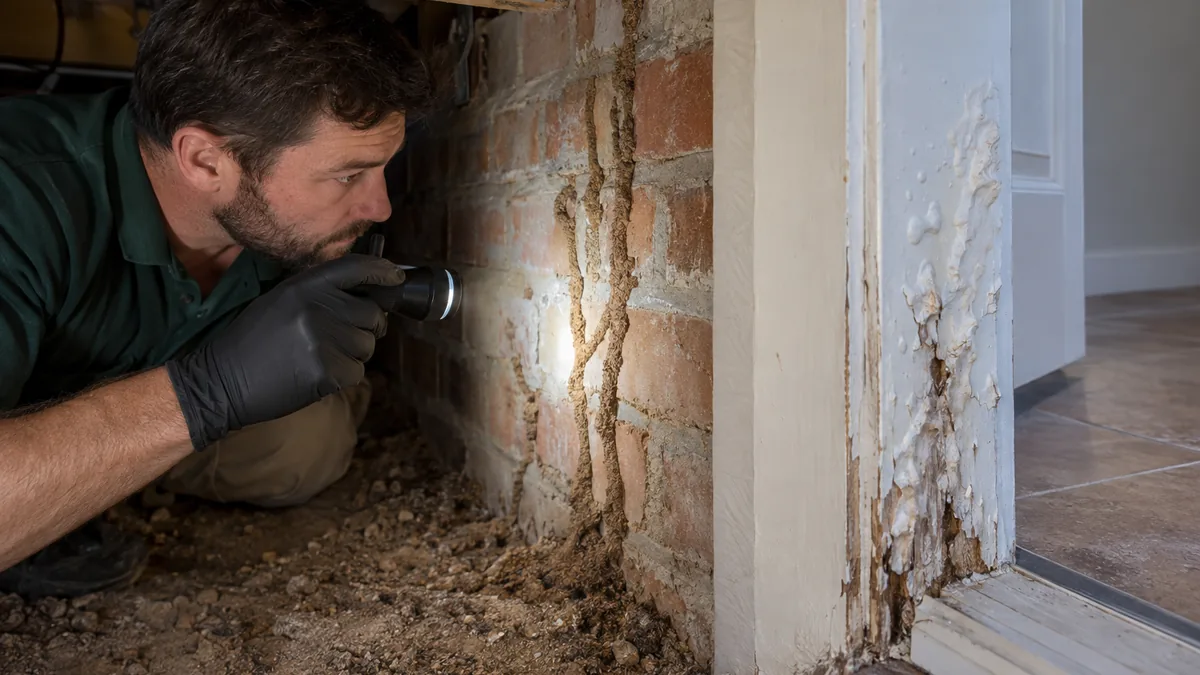
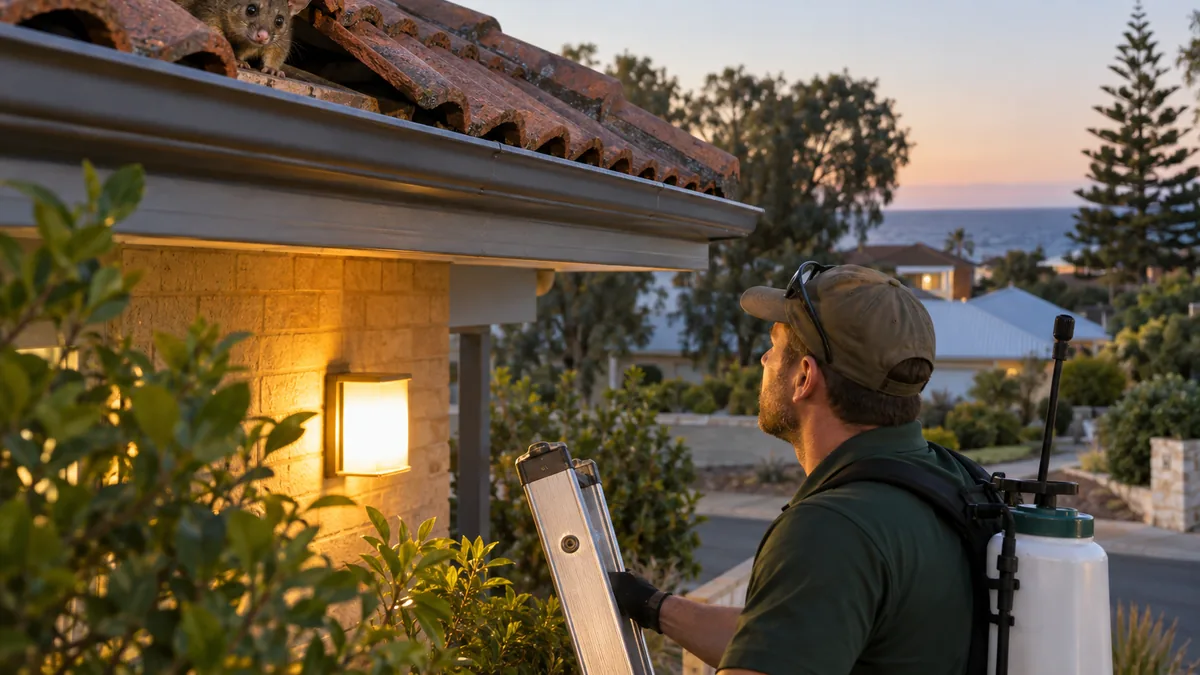
The practical split works like this. Fleas that arrive with the tenant’s dog or cat are the tenant’s to deal with, during the tenancy and at the end. Termites, rodents in the roof void, a wasp nest under the eaves or an ant colony under the slab are structural or environmental problems and sit with the landlord, unless the tenant caused them, for example by leaving food waste that drew rats. Cockroaches are argued over more than anything else, because a German cockroach problem can be brought in with a second-hand appliance or can be a building-wide issue in a block of units.
If you are unsure which side a problem falls on, raise it in writing with the property manager as soon as you notice it. A pest problem reported in week two is treated very differently from one discovered at the final inspection.
What an end-of-lease flea treatment involves
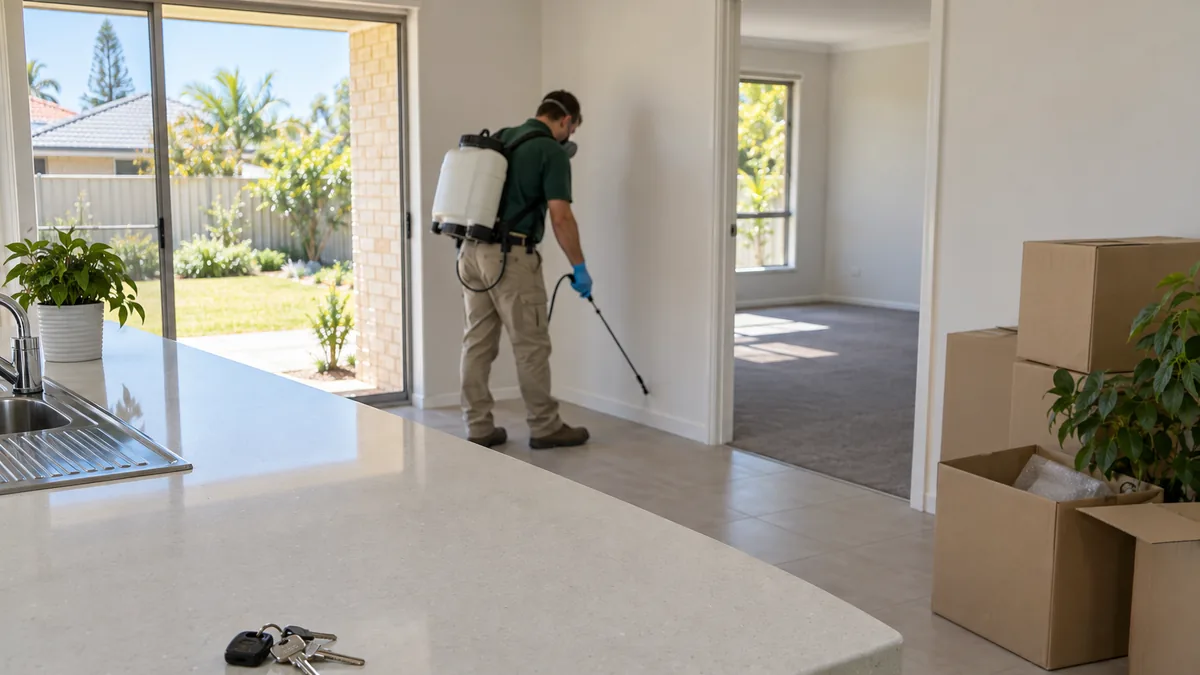
An end-of-lease pest control visit is a targeted job. The technician treats the carpets, rugs and soft floor coverings throughout the house, the edges of hard floors, under and behind where furniture stood, the laundry, and the subfloor if the house has one. Outside, shaded areas where a pet slept, such as under a patio, a kennel spot or the sand under a deck, are treated because flea larvae develop in shade, not in sun.
The products are a residual adulticide, which kills adult fleas on contact with the treated surface, and an insect growth regulator, which stops eggs and larvae from developing into adults. Both are applied at label rates by a technician holding a WA Department of Health Pest Management Technician licence. The house should be empty of people and pets during treatment and for the period the technician states on the day.
If the property also has a cockroach or ant problem, ask for it to be added, because a combined visit is simpler than two.
The receipt or certificate
Property managers ask for a document that shows the treatment was done by a licensed operator. It should state the property address, the date, the pests treated, the areas treated, the product class used and the business details. Ask for it to say “flea treatment” in plain words if that is what the lease requires, because a receipt that says “general pest treatment” can be queried.
Keep a copy for yourself. If a dispute goes to the bond process, that receipt is your evidence that you met the clause.
Timing: after the carpets, before the inspection
The order matters. Carpets are cleaned first, because hot water extraction would lift a flea treatment applied before it. Once the carpets are dry, the flea treatment goes down, and the property is left undisturbed until the final inspection. Book the two jobs on consecutive days where you can, and tell the pest technician when the carpet cleaner is coming.
Do the treatment after the furniture is out. A treatment applied around a lounge suite misses the carpet under it, which is exactly where a dog slept.
Carpets first, then the flea treatment, then the final inspection. Book it in that order and get the receipt in writing.
What happens if fleas hatch after you leave
This is the part that catches people out. Flea pupae, the cocoon stage, can sit dormant in carpet and subfloor dust for months. They hatch when they sense vibration, warmth and carbon dioxide, which is to say when someone walks back into an empty house. A property that was treated and then sat vacant for six weeks can produce a wave of fleas the day the new tenant moves in, even though the treatment worked on every flea that was alive when it was applied.
The insect growth regulator in a proper treatment deals with the eggs and larvae that would otherwise become the next generation, and the residual adulticide deals with adults as they emerge onto a treated surface. That is why the product class on the receipt matters, and why a can of fly spray on the carpet is not a flea treatment. Ask about re-visit terms before you book, and get them in writing. Full detail on how fleas behave is on the flea control page.
Tips for tenants in Baldivis, Rockingham and Mandurah rentals
The southern corridor has a large rental market, with young families and pets in the Baldivis estates, beachside rentals in Rockingham, Safety Bay and Warnbro, and holiday lets and long-term rentals around Mandurah. A few things make the last week easier.
- Read the pet clause and the cleaning clause together, and match the treatment to the wording.
- Book the carpet clean and the flea treatment before you book the final inspection, not after.
- Treat your pet through your vet in the same week, so it does not carry fleas into the new place.
- Empty the house first. Sheds, patios and kennels count as areas where the pet lived.
- Photograph the property after treatment and keep the receipt with your bond paperwork.
- If the house had a pest problem when you moved in that you reported at the time, keep that correspondence.
Landlords and vacant properties
For an owner or property manager, a vacant home between tenancies is the moment to deal with anything the outgoing tenant’s treatment did not cover. A general pest treatment on an empty property reaches every skirting and every cupboard without furniture in the way, and it gives the incoming tenant a documented starting point. That paperwork protects both sides if a pest question comes up later in the tenancy.
Where a vacant property in Mandurah, Golden Bay or Secret Harbour sits empty for weeks, a walk-through before the new tenancy is worth doing. Dormant flea pupae, a rodent that has found a quiet roof void and ants exploring a dry kitchen are all easier to deal with before the keys are handed over. A property with a documented treatment at the start of each tenancy also makes the question of who is responsible for a later problem much simpler to answer.
Questions on this topic
1. Do I have to get a flea treatment when I move out of a WA rental?
If your lease includes a pet clause requiring a flea treatment or fumigation on vacating, and a pet lived at the property, then yes, and the property manager will ask for the receipt. If no pet lived there and the lease has no such clause, it is usually not required. Read your lease first, and for anything unclear check the Consumer Protection WA tenancy guidance rather than relying on a general rule.
2. When should the end-of-lease flea treatment be done?
After the furniture is out and the carpets have been cleaned and dried, and before the final inspection. Carpet cleaning after a flea treatment lifts the product off the fibres, so the order matters. Where possible, book the carpet cleaner and the pest technician on consecutive days and tell each of them about the other. Leave the property undisturbed between the treatment and the inspection.
3. What does the flea treatment certificate need to say?
The property address, the date, the pests treated, the areas treated, the product class used and the details of the licensed pest control business. If the lease says flea treatment, ask for those words on the document rather than a general description. Keep a copy with your bond paperwork so you can produce it if the property manager or the bond process asks for evidence.
4. Fleas appeared after the property was treated. Did the treatment fail?
Not necessarily. Flea pupae can lie dormant in carpet for months and hatch when vibration and warmth return, which is often the day a new tenant walks in. A proper treatment uses an insect growth regulator to stop eggs and larvae developing and a residual product that kills emerging adults on treated surfaces. Ask about the re-visit terms on the quote before you book, and keep the receipt.
5. Who pays for pest control in a rental, the landlord or the tenant?
In general terms under the Residential Tenancies Act 1987 (WA), the landlord is responsible for pest problems present at the start of the tenancy or arising from the building, and the tenant for infestations caused by their own conduct, such as fleas from a pet. This is not legal advice. Check your lease and the current guidance from Consumer Protection WA, which handles tenancy questions and bond disputes.