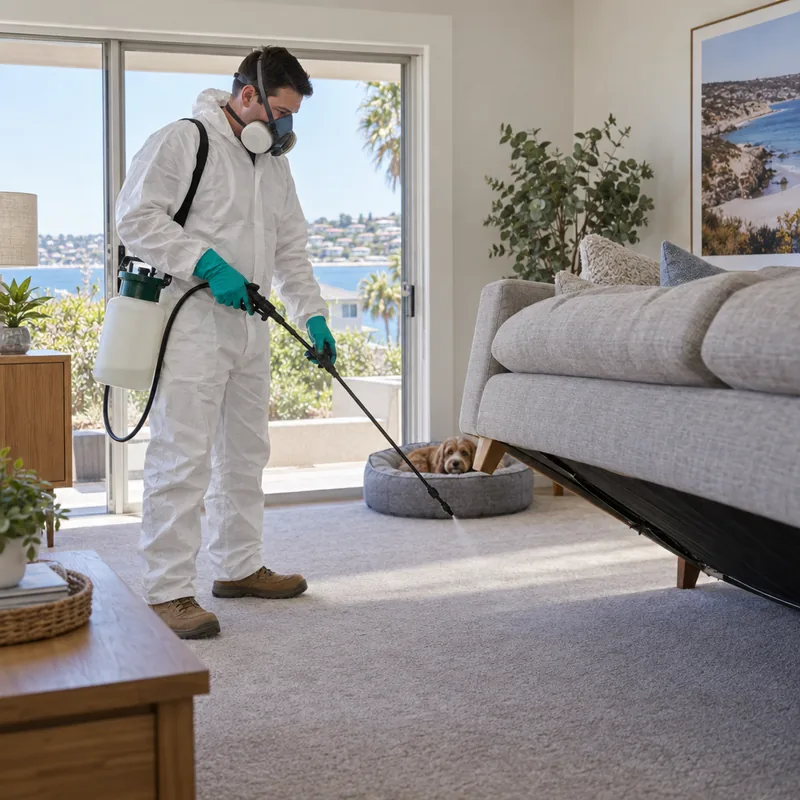
Fleas in Perth’s southern suburbs follow the pets and the weather. A dog that runs the foreshore at Warnbro or the Tramway Reserve in Baldivis picks them up, brings them home, and by late summer the carpet in the lounge is holding eggs, larvae and pupae that no amount of vacuuming reaches. This page explains how the cat flea life cycle works, why empty rental homes seem to explode with fleas the day someone walks back in, what a professional flea treatment involves, what people mean by “pet fumigation”, and how end-of-lease flea treatments work for tenants with pets.
Why fleas peak in late summer and autumn
Perth’s hot dry summer is hard on adult fleas, but the eggs and larvae sit in shaded, humid places: carpet pile, pet bedding, under the couch, the sand under a deck, the subfloor of an older timber-floored home in Cooloongup or Medina. As the days shorten and the humidity lifts in February and March, those larvae pupate and hatch in numbers. Most of the flea calls we take from Rockingham, Waikiki and Mandurah come in from late summer through to the first cold weeks of winter.
The cat flea is the species found on both cats and dogs in WA, and it will happily bite people when the animal is not around. Bites on the ankles and lower legs, usually in clusters, are the giveaway.
The cat flea life cycle and the empty rental problem
Adult fleas live on the animal and lay eggs that fall off wherever the pet rests. The eggs hatch into larvae that feed on dried blood and organic debris deep in the carpet, then spin a cocoon and pupate. That pupal stage is the difficult one. The pupa is protected from most insecticides and can lie dormant for weeks or months, waiting for the vibration, warmth and carbon dioxide that tell it a host has arrived.
This is why a rental in Baldivis or Wellard that has sat empty for six weeks after the tenants and their dog moved out can look flea-free at the final inspection, then bite the new tenants on their first night. The pupae hatched all at once when people started walking on the carpet again. It is also why a treatment done the day the pet leaves needs an insect growth regulator, not just a spray that kills the adults present on the day.
What a professional flea treatment involves
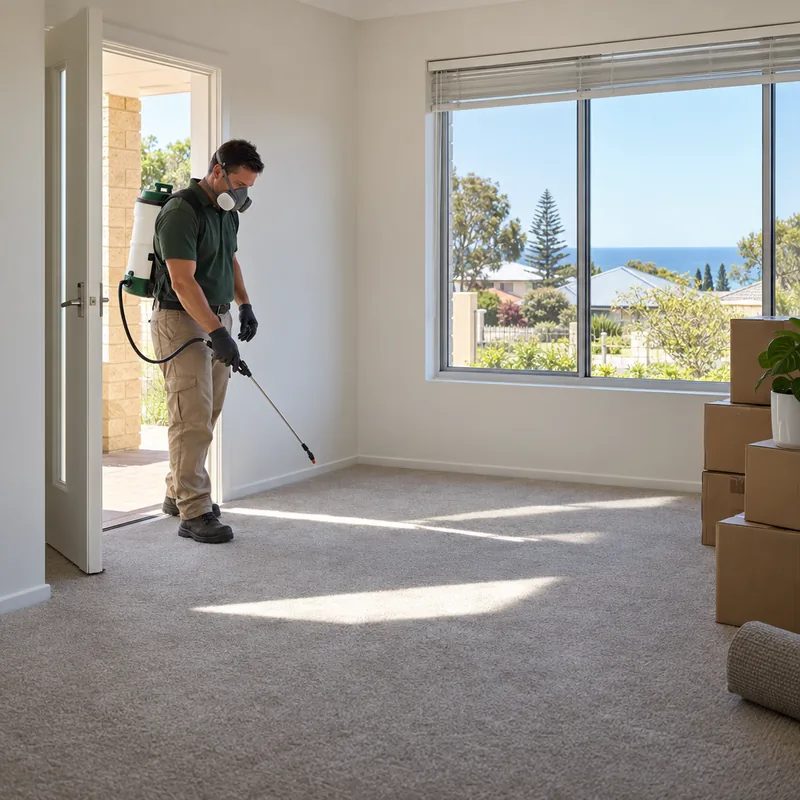
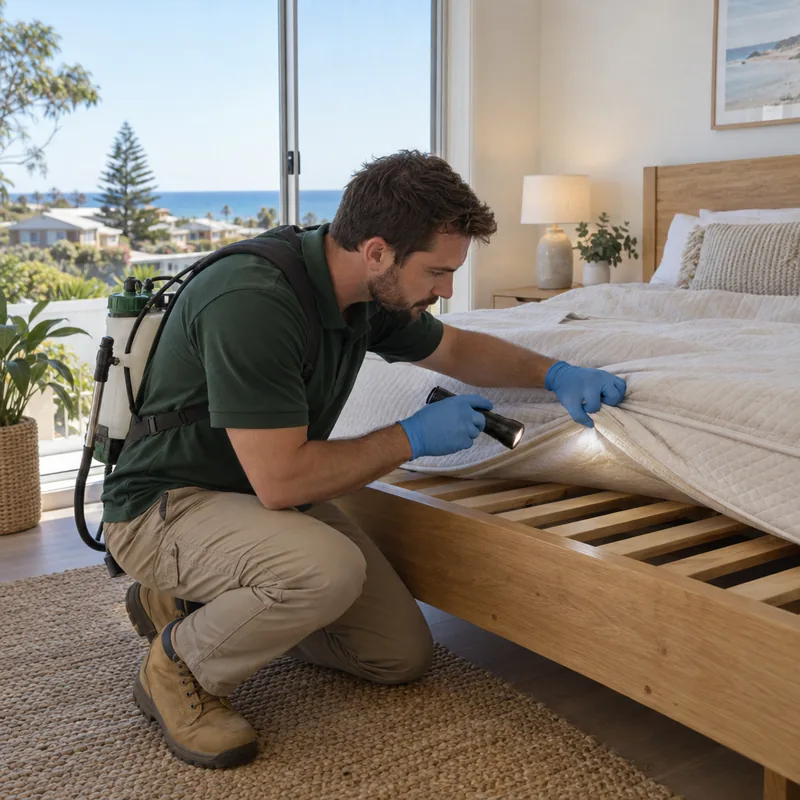
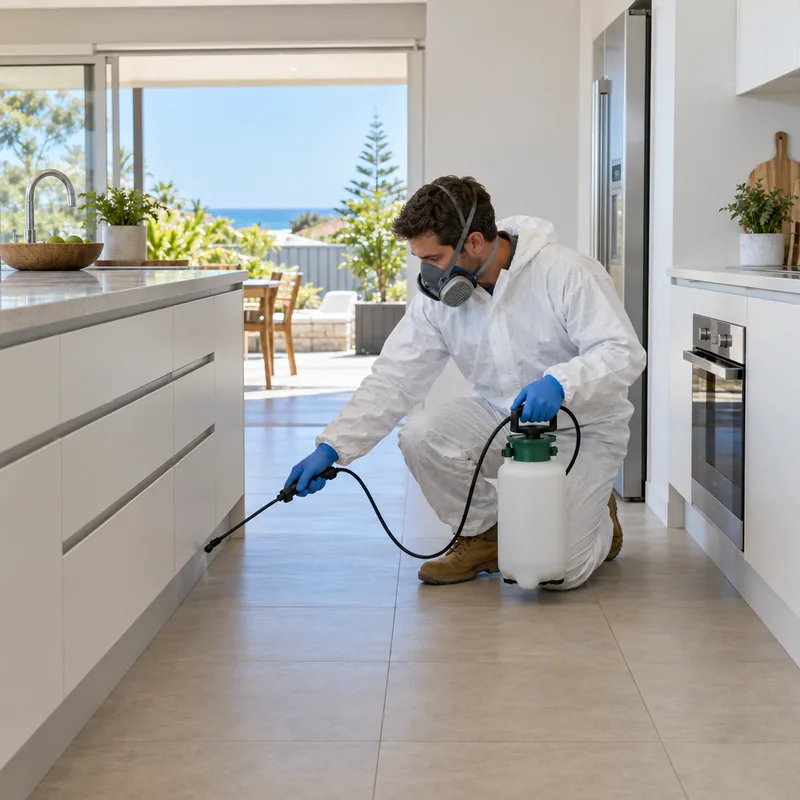
Flea control services in Perth follow the same logic whether it is a family home or a vacate. The technician inspects the rooms the pet used, the pet’s bedding, the subfloor if there is one, and the shaded parts of the yard. The treatment then combines two chemistry classes: an adulticide, usually a synthetic pyrethroid, to kill the adult fleas and larvae it contacts, and an insect growth regulator (IGR) that stops eggs and larvae developing into adults for weeks after the visit. Carpets, rugs, the edges of hard floors, under furniture, the subfloor and outdoor shade areas are all treated.
The phrase “pet fumigation” comes up in a lot of enquiries. There is no fumigation in the gas-and-tent sense, and nothing is done to the animal by the pest technician. It is simply the common name for a flea treatment of the house and yard where a pet has been kept, and it goes hand in hand with the owner treating the pet through their vet. If the pet is not treated, the adult fleas on the animal keep laying eggs and the house is reinfested within weeks.
Some people searching for a flea exterminator in Perth expect a single fogger bomb to do the job. Total-release foggers rarely reach under furniture or into the carpet pile, and they contain no growth regulator, so the pupae simply hatch after the fog has settled.
Preparing the home before we arrive
Preparation is a big part of the result. Vacuum every carpet, rug and upholstered surface thoroughly, including under beds and along the skirtings, then empty the vacuum into an outside bin. The vibration also encourages dormant pupae to hatch so the treatment reaches them. Wash pet bedding, throw rugs and any bedding the pet sleeps on in hot water. Pick up toys, clothing and clutter from the floors so the treatment can be applied evenly. Arrange for the pet to be treated by your vet on or around the day of the treatment, and keep pets and children out of treated rooms until the surfaces are dry, which the technician will confirm at the time.
Afterwards, avoid vacuuming or mopping the treated carpet for the period the technician specifies, so the residual keeps working. Seeing a few fleas in the following days is normal as the last pupae hatch onto the treated surface and die.
End-of-lease flea treatment when a pet was kept
WA tenancy agreements commonly require a flea treatment at the end of the lease when a pet was kept at the property, and the property manager usually wants a receipt from a licensed pest control business before the bond is released. The lease is the document that decides it, and the Residential Tenancies Act 1987 (WA) is the legislation behind it, so check your lease and the Consumer Protection WA tenancy guidance rather than relying on a general rule.
We do a lot of these across the big rental markets in Baldivis, Secret Harbour, Wellard and the Mandurah holiday-let belt. The treatment is timed after the carpets are cleaned and the property is empty, and the receipt is issued once the job is done. The end of lease pest control page covers the full vacate process, and the blog post on end of lease pest control for WA tenants and landlords walks through who is usually responsible for what.
Fleas in the yard, the subfloor and under the house
Flea larvae need shade and humidity, which in a sandy Rockingham yard means under the deck, along the south side of the house, under the verandah, in the dog’s favourite dirt hollow beside the shed and in the sand under a raised timber floor. Older homes in Hillman, Cooloongup and Safety Bay with subfloors are the classic case: the dog sleeps under the house through summer and the subfloor becomes the nursery. Treating the carpet alone leaves the source untouched.
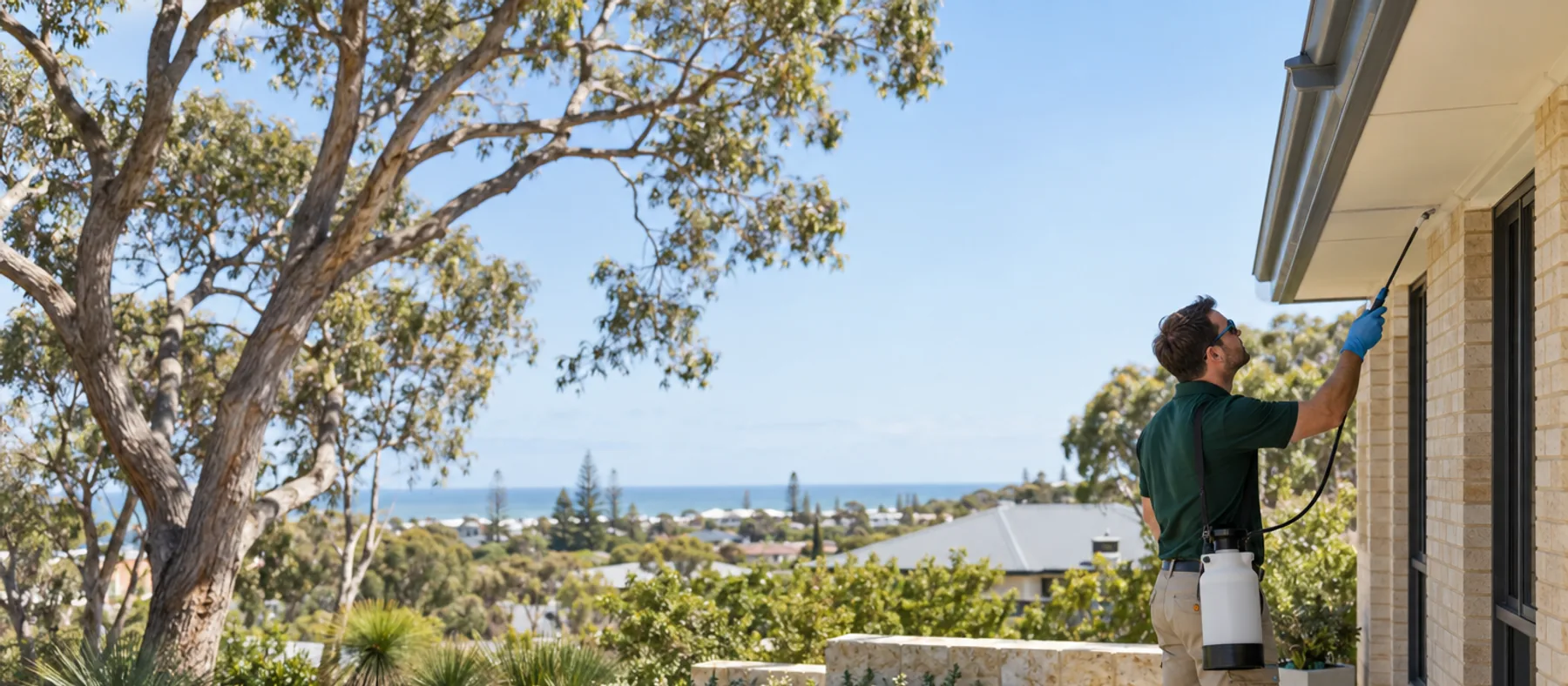
The yard and subfloor get the same adulticide and IGR combination, focused on the shaded areas rather than open lawn where the sun kills the larvae anyway. If rodents or stray cats are using the subfloor, they bring fleas with them, and a broader general pest control treatment that deals with the carriers can be the better option.
Written quote before any treatment
Every flea job starts with a few questions about the property: house or unit, carpet or hard floors, subfloor or slab, pet still there or already gone, family home or a vacate with a deadline. The quote is in writing before any treatment, and the technician holds a WA Department of Health Pest Management Technician licence you are welcome to ask to see. The post on what changes a pest control quote in Perth explains the factors. To arrange a flea treatment anywhere from Cockburn to Mandurah, use the quote form or call, and you will be contacted to arrange a time.
What is included
- Inspection of the rooms the pet used, pet bedding, subfloor and shaded outdoor areas to find where fleas are breeding
- Adulticide treatment of carpets, rugs, hard floor edges and under furniture to kill adult fleas and larvae on contact
- Insect growth regulator (IGR) applied with the adulticide so eggs and larvae cannot develop into biting adults
- Subfloor treatment for older timber-floored homes where pets sleep under the house
- Yard treatment of shaded areas: under decks and verandahs, along the south side of the house, kennel and dirt hollows
- Written preparation checklist sent before the visit so the treatment reaches the carpet pile
- Advice on timing the pet treatment through your vet so the house and animal are done together
- Receipt from a licensed pest management business for end-of-lease and property manager requirements
Signs you should call
- Clusters of small itchy bites around your ankles and lower legs, especially after sitting on the carpet
- Your dog or cat scratching and biting at the base of its tail, or fleas visible when you part the fur
- Small dark specks jumping on a white sock or sheet laid on the carpet
- Flea dirt, which looks like black pepper and turns red when wet, in pet bedding or on the couch
- Fleas biting you in a rental you have just moved into that was empty for weeks
- A lease that requires a flea treatment at the end of the tenancy because a pet was kept
- Fleas returning a few weeks after a supermarket bomb or spray that only killed the adults
Flea Control in four steps
Inspect
The technician checks where the pet sleeps, the carpets and rugs, the subfloor if the home has one and the shaded parts of the yard. This shows which areas are breeding fleas and whether one treatment will do.
Written quote
You receive a written quote listing the areas to be treated, the products by chemistry class and what you need to do beforehand. Nothing is treated until you have agreed to it.
Treat
Carpets, floor edges, under furniture, subfloor and shaded yard areas are treated with an adulticide and an insect growth regulator. The pet is treated by you through your vet at around the same time.
Protect and follow up
The residual keeps killing fleas as the last pupae hatch over the following weeks. If the inspection found a heavy or long-standing infestation, a follow-up visit is written into the quote from the start.
Kids, pets and the day of the treatment
Vacuum thoroughly and pick everything up off the floors before the technician arrives, then keep children and pets off treated carpet until it is dry, which the technician will confirm on the day. Fish tanks should be covered and their pumps switched off during the treatment. Tell us when booking if anyone in the house is pregnant, has asthma or has chemical sensitivities so the products and timing can be planned around them. The pet is treated by your vet, never by the pest technician.
Frequently asked questions
1. Do I need to treat my pet as well as the house?
Yes. Adult fleas live on the animal, and the house treatment deals with the eggs, larvae and pupae that have dropped into carpet, bedding and the subfloor. If the dog or cat is not treated through your vet at around the same time, the adults on the animal keep laying eggs and the home is reinfested within weeks. The pest technician does not treat the animal; that is the owner's job with a product the vet recommends. Coordinating the two is what makes the treatment hold.
2. Why are there fleas in an empty rental with no pets?
Because of the pupal stage. Cat flea pupae sit in a silk cocoon deep in the carpet pile or in the sand under a timber floor and can stay dormant for months. They hatch when they sense vibration, warmth and carbon dioxide, which is exactly what happens when new tenants walk in after a house in Baldivis or Wellard has sat empty for weeks. The previous pet left long ago and its fleas were waiting. An insect growth regulator in the vacate treatment is what stops this cycle.
3. What does pet fumigation mean on my lease?
It is the everyday term for a flea treatment of the property where a pet has been kept, usually required at the end of a tenancy. Nothing is fumigated with gas and the animal is not treated by the pest technician. The carpets, hard floor edges, subfloor and shaded yard areas are sprayed with an adulticide and an insect growth regulator, and you receive a receipt from a licensed business to give to the property manager. Check the exact wording of your lease, as some agreements ask for a general pest treatment as well.
4. How long do we need to stay out of the house after a flea treatment?
Until the treated surfaces are dry, which the technician will confirm on the day and which depends on carpet type, ventilation and the weather. Pets and children should stay off treated carpet until then. Once dry, the residual keeps working on the fleas that hatch over the following weeks. Avoid vacuuming or steam cleaning the carpet for the period the technician specifies so the treatment is not lifted off early. If anyone in the house has asthma or chemical sensitivities, tell us when booking so the products and timing can be planned around it.
5. Will one flea treatment be enough?
Usually, if the preparation is done, the pet is treated and the yard and subfloor are included. Seeing a few fleas in the two or three weeks after treatment is normal because the last pupae hatch onto the treated carpet and die there. A heavy, long-standing infestation, a home with a subfloor the dog has been sleeping in, or an untreated pet can need a follow-up visit, and the technician will say so at the inspection rather than afterwards. The written quote states exactly what is covered.
6. Do you treat the yard and under the house?
Yes, where the inspection shows fleas are breeding there. Flea larvae avoid sun and dry sand, so open lawn in a Rockingham backyard is rarely the problem. The shaded strip along the south side of the house, under the deck or verandah, the dog's dirt hollow beside the shed and the sand under a raised timber floor are where they develop. Those areas get the same adulticide and insect growth regulator as the carpets. Older homes in Cooloongup, Hillman and Safety Bay with subfloors are where this makes the biggest difference.
7. Are bites on my ankles definitely fleas?
Clusters of small itchy bites around the ankles and lower legs are the classic flea pattern, especially if you have a pet or have moved into a home that had one. Bites higher on the body, in lines on the arms and torso, are more typical of bed bugs, and the treatment is completely different. If you are not sure, the inspection sorts it out. Fleas are easy to see jumping onto a white sock walked across the carpet, while bed bugs leave dark spotting on mattress seams and bed frames.